Connect with us

CHN+

Avoiding the Stanley Cup Hangover? Those Who Did It Spill Some Secrets to Avalanche (+)

Published

on

Stanley Cup

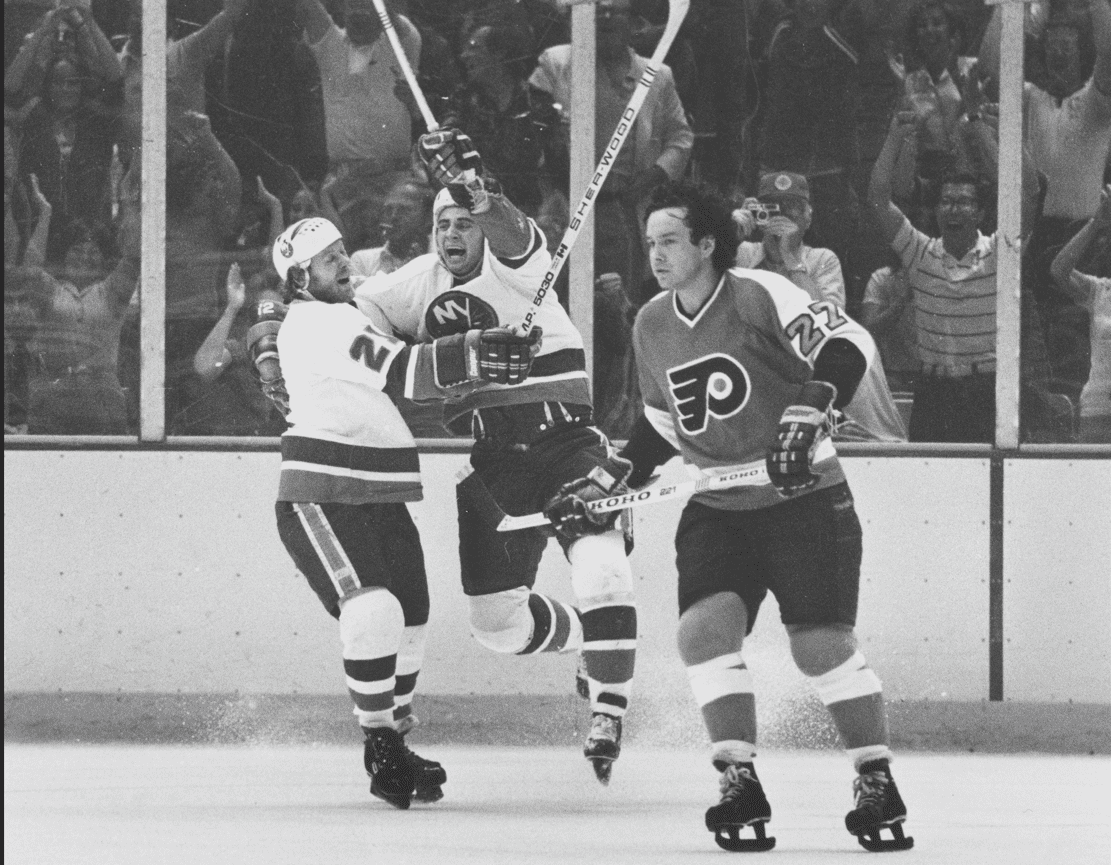
Butch Goring had heard all the stories, about how hard it would be to repeat as a Stanley Cup champion with the New York Islanders, after winning for the first time in personal and team history in 1980. The hardest trophy to win in sports would be twice as hard the second time around, Goring was told. Somehow, the hunger to do it again would recede some, others warned. The Stanley Cup hangover was real, not to be trifled with, not to be mocked. Trying to do it all again would be a sobering experience, he was told.

“And the second Cup, honestly, was really easy,” Goring said. “We were just as tired emotionally and physically, but, really, we breezed.”

So, just like they all said, Goring found that second time around to be…wait, what? A breeze? Easy? So, the Colorado Avalanche can expect an easier time of it winning another Stanley Cup next spring/summer?

Um, probably not. For one thing, there are a lot more teams in the NHL than in Goring’s day with the Islanders (32 today, 21 then). The first round of the NHL playoffs then was a best-of-five series, with the No. 1-seeded team playing the No. 16-seeded team. In previous years, the first round was a best-of-three series, and some teams had first-round byes.

Not to diminish what Goring, the Islanders and other teams in older NHL eras did, but the fact is it was easier to repeat as a Stanley Cup champ back in the day. After a long drought, however, two teams have repeated as Cup champs in the last six seasons (Pittsburgh in 2016 and ’17 and Tampa Bay in 2020 and ’21).

The Avalanche want to join the Penguins and Lightning in that distinction. Goring is one of the very few people in pro hockey history to have won back-to-back championships as both a player and coach (four with the Islanders from 1980-83 and two with the Denver Grizzlies and Utah Grizzlies of the International Hockey League, in 1995 and ’96).

In both cases, Goring said the influence of Islanders coach Al Arbour was major. As a player with the Islanders in that second Cup season (1980-81), Goring said Arbour’s method was like this:

“Arbour never said much to us, until the trade deadline. (Assistant coach) Lorne Henning ran most of the practices, then Al took over with about 20 games left,” said Goring, who works as an Islanders television analyst today. “It was like being a horse at the quarter-pole, and getting a good hard whack on the nose. He was just on us harder and his whole demeanor changed. We knew it was time to double down. But we had a easy time in the playoffs that year.”

As a coach with the Grizzlies in Utah, after the Avalanche displaced the franchise in Denver, Goring did the same thing, cracking down harder on players at practices and just having more of a foot-on-the-gas demenor.

“We finished behind Vegas in the regular season, but we knew we’d make the playoffs and I prepared my team all year with little things that I thought would benefit them in the playoffs,” Goring said. “We had a good group of committed players, and that’s obviously what you need most if you’re going to win again.”

“It puts a taste in your mouth that you’ve never had before”

Brian Engblom won back-to-back Stanley Cups as a player with the Montreal Canadiens in 1978 and ’79. He’s also served as a TV analyst for the Lightning teams that won back-to-back Cups.

The 1978-79 Canadiens had already won three straight Cups, and were starting to show some age. The Boston Bruins had them down by a goal in Game 7 of a conference final series in the waning minutes, and it might have been understandable had the Canadiens become a bit tired, a bit complacent, to that point.

But, in fact, Engblom said, motivation was never a problem in Montreal, ever.

“Are you kidding? You were supposed to win the Cup in Montreal,” Engblom said. “Yvan Cournoyer was our captain and he was going for his 10th Cup. In Montreal then, the pressure to win the Cup was the thing. And we pulled that game out against Boston and went on to get that Cup.”

Engblom believes it’s a misnomer that players might get too self-satisfied after winning a Stanley Cup, and fall into the Cup Hangover trap. Sure, it can and has happened. But after you win a Stanley Cup, Engblom said, “It puts a taste in your mouth that you’ve never had before. I think the misnomer is, ‘OK, we won one, I’m good now.’ I think the players that did it want it even more. There’s nothing like that feeling, the first few minutes, hours, days, the parades, all that. You can’t really describe what it’s like. Everybody wants it. If anything, our team wanted it even more, more than guys who haven’t yet experienced what that’s like, who only see it on the horizon. I saw that same thing with the Lightning’s top guys.”

“Have to convince the team to stop basking in the limelight”

Scotty Bowman won back-to-back Cups three times – with three different teams – as a coach (he wasn’t the coach for the champion 1990-91 Penguins, but was the coach the following season). Part of his formula for success?

“You have to convince the team to stop basking in the limelight of last year,” Bowman said.

When the banner is raised to the rafters, as the Avalanche will do tonight, players have to finally turn the page mentally.

“I preached getting off to a quick start in the early going. Don’t be afraid to get the players’ attention, that this is a new season,” Bowman said. “Any new players can also make a difference.”

Jared Bednar has won championships at other levels of pro hockey, not just with the Avalanche. While this is his first go-around with an NHL team in this regard, he can draw on some previous experience in coming back with a winner. He thinks he has a plan for this season in keeping things fresh and non-complacent.

“It’s going to come down to us getting that focus, determination, work ethic, intensity back,” Bednar said. “I think (this) camp had a little bit of a different feel, for obvious reasons. I feel like we tried not to burn guys out in training camp. I’ve discussed it with our leadership group, and I think we’re saying all the right things, but it’s time to go out and compete now.”

The puck drops in about six hours.

Don't Miss a Post!

Enter your email address to get all of our posts in your inbox!

Colorado's premier coverage of the Avalanche from professional hockey people. Evan Rawal, Editor-in-Chief. Part of the National Hockey Now family.

This site is in no way associated with the Colorado Avalanche or the NHL. Copyright © 2023 National Hockey Now.