
 Scott MacDonald
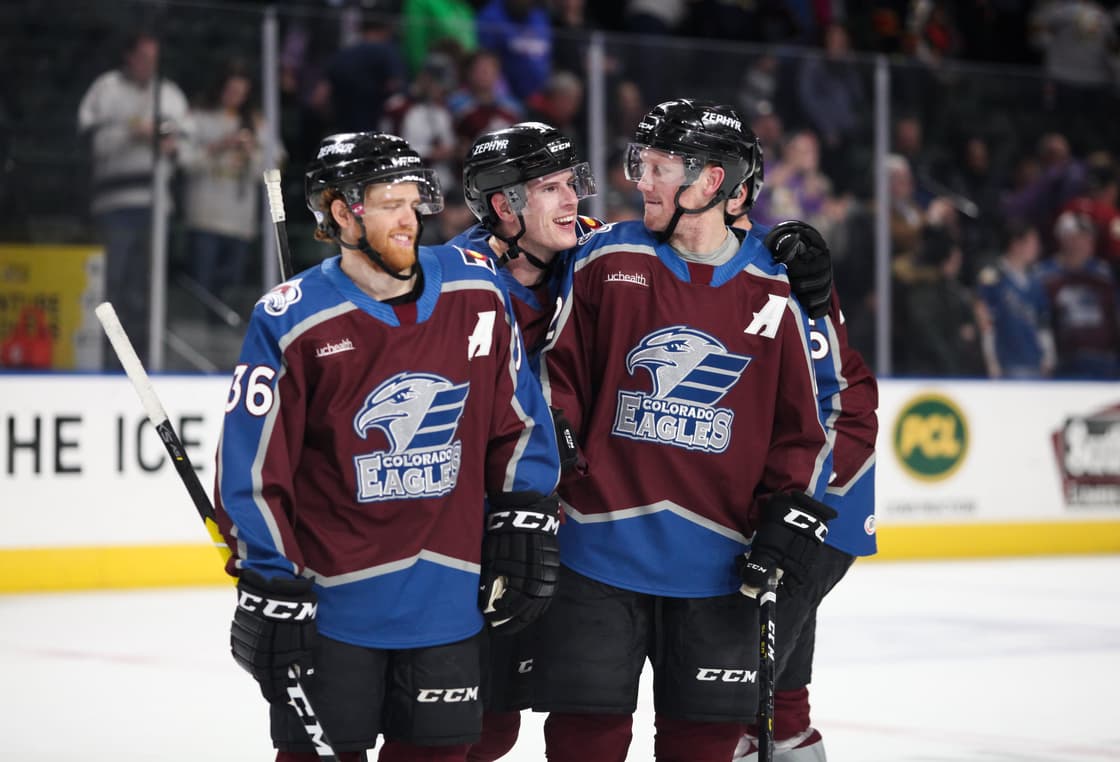
A number of sources have informed Colorado Hockey Now of rumblings about a potential return-to-play plan, and an increasing optimism that there will in fact be a 2020-21 AHL season.
“I really do think that we will play,” a close source said, before laying out an off-the-record plan that’s been tossed around.
One thing that is becoming increasingly apparent, however, is that is that the AHL won’t start on Dec. 4, as was the original hope. It certainly won’t start before the NHL’s season, which commissioner Gary Bettman recently said he’s targeting for a January 1st start date.
“If the NHL has a season, the (AHL) will be playing in some capacity. That’s what I’m confident in,” another source added.
Another good indication that an American League season is possible is that the ECHL recently announced its own return-to-play plan, which has 13 teams, including Colorado Avalanche affiliate, Utah Grizzlies, beginning their season on Dec. 11, with the other teams returning to play on Jan. 15.
Part of the reason for the split start date is based on local capacity restrictions. The teams that will begin in December play in cities that have more relaxed restrictions, meaning there’s hope that at least some fans would be able to attend games. The teams that will begin in January are still working with local health officials on capacity restrictions.
On the AHL side of things, it is unknown if fans will be allowed in attendance, although there’s some increasing optimism on that front as well.
One source indicated that 50% capacity to start the season is a probability with some confidence that 100% could be a reality by early next year. Of course, it’s all an ever-changing, fluid situation. Capacity restrictions all depend on locality and, in general, the number of cases in the state.
If no fans are allowed in the stands, a source indicated that there is a way in which it would be possible for the AHL to survive without that gate-driven money. And that is, if the NHL parent clubs waive the affiliation fee.
“That would go a long way and basically ensure a season could happen even without fans,” an AHL source said. “If the NHL doesn’t waive those fees, then you could see the season not happen.”
Yes, the AHL club actually pays their NHL affiliate for the association — a decent amount from what I gather. It’s one of the reasons why the Carolina Hurricanes cut ties with locally-based affiliate Charlotte Checkers and moved their affiliation to the Chicago Wolves recently. Why? Because the Wolves will pay a larger affiliation fee to Carolina than Charlotte could.
Again, this is all a very fluid situation. Some weeks are better than others. Currently, Colorado is in the midst of its largest spike since late May, and it’s expected to get worse as we enter the dreaded Flu season.
Nothing is guaranteed. However, from what I’ve gathered recently, the discussions at the AHL level have been positive, and there’s an increased sense of optimism as of late regarding the potential for a 2020-21 AHL season to be played.