
 Brennan Vogt

The Avalanche are the Stanley Cup champs and are 11-5-1 despite a bunch of injuries. So, this story falls into the “nitpicking” category. Don’t get me wrong, they can still be a powerhouse again, but there is one element still missing to what most hockey people say is an essential part of winning. They are failing to win faceoffs and are last in the league with a 43.8 winning percentage at the dot. The Avalanche finished the regular season last year with a 47.3 winning percentage, which was 28th in the league. So, uh, yeah, you can still win without being a great faceoff team. The Avalanche proved it. But what has changed to make the percentage drop even more, to last?
Let’s start with what changed. There are two players that the Avalanche lost over the summer to free agency that made a difference in faceoffs. I am sure that you can probably guess one right away, but the other may take you a second to figure out.
Nazem Kadri
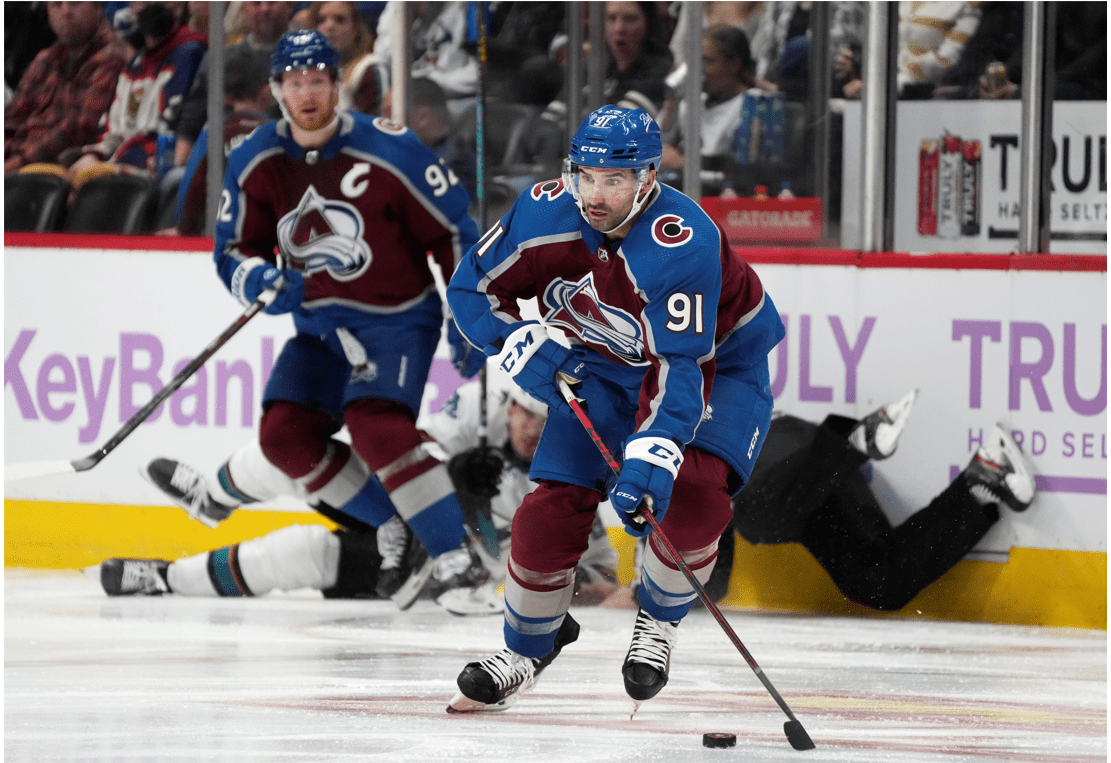
Nazem Kadri was always known to be a dominate player in faceoffs. Typically, Kadri would average over 50 percent in faceoffs with his worst year in Colorado coming in at 49.7 (last year). As a second line center, he is taking a good number of the draws for the team, with close to 1,200 alone by Kadri. He was taking the faceoff in key situations like the power play, penalty kill and must win situations. Now, those situations have been left up to players like Nathan MacKinnon and Alex Newhook, who both are not as good at winning. MacKinnon so far this year only has a 47.52 wining percentage while Newhook has 31.3 percent. A couple of points may not seem like a big deal, but it is.
Nico Sturm
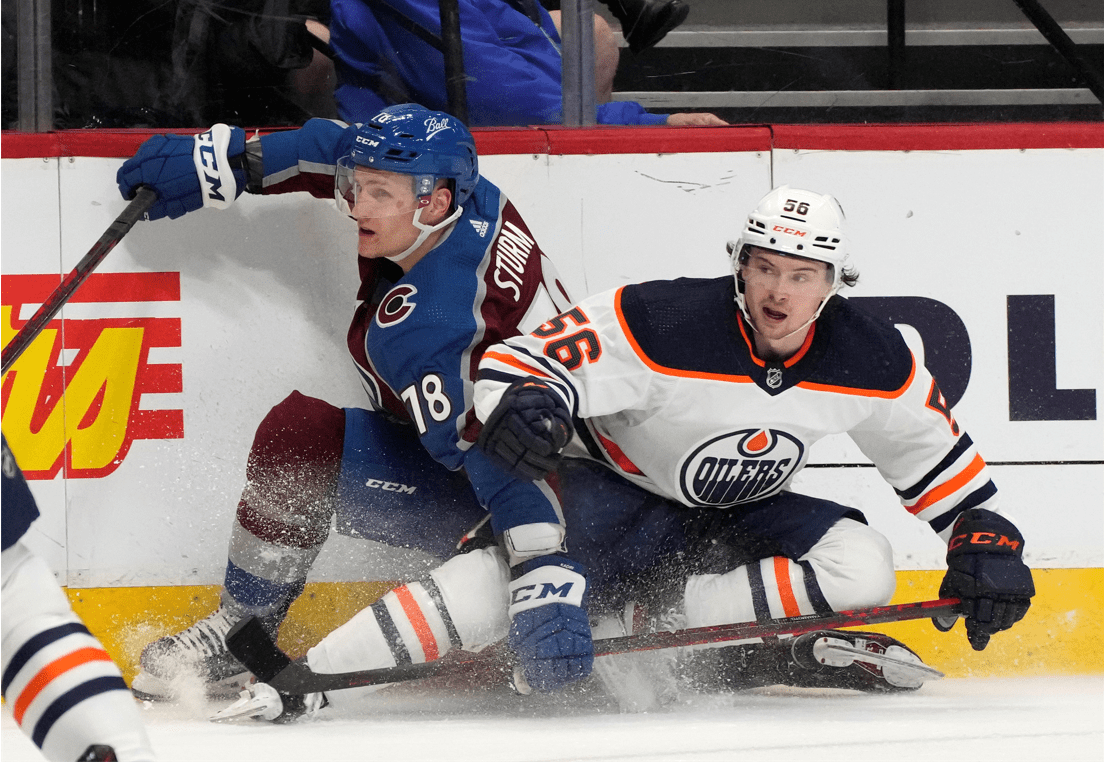
Nico Sturm, is a player you’re probably thinking didn’t have a big impact last year. Wrong. The Avalanche were willing to trade in the division for him. It was a one-for-one trade with Tyson Jost going to the Wild. Here is the kicker, Sturm was 52 percent in faceoffs and Jost was just 39.3. This became key later in in the playoffs during important faceoffs if the third or fourth line was was out on the ice. Sturm would eventually end the season with an even higher number while with the Avalanche at 54.6.
Why does this all matter? It boils down to possession time. If the Avalanche can’t win a faceoff, they have the puck less and therefore have less shots on goal. The Avalanche are allowing nearly two more shots on goal (33.6) compared to last season (32). Over an 82-game season, that adds up to 132.2 more shots that the goalie has to stop. It is that much more work the goalie has to do and risks him tiring more quickly. This is also about three to four more games worth of shots that the goalie has to stop. Unnecessary shots.
The Avalanche did attempt to get a player that has a high success rate in Evan Rodrigues with his 51.06 percent so far this year. But this issue is that is not enough. He can’t take every faceoff for the Avalanche or be out there in every situation. Coach Jared Bednar said “we look at the video and practice it (faceoffs) everyday). We are doing the things to get better.”
The team needs to improve and quick, because it is causing greater issues and wearing the goalies out. Reinforcements should come eventually, with the returns of Darren Helm and Gabe Landeskog. And, who knows, maybe another guy or two by the March 3 trade deadline.
In the meantime, the Avalanche continue to thumb their noses at the pundits who say winning faceoffs is essential. But there’s no question: Bednar and the team want these numbers to get better.